History
Cricket was being played by teams at English public schools by the time of the English Commonwealth in the mid 1600’s. Instances of the game being played as an adult sport out side of the arena of public schools are recorded. but leisure time was limited for workers at this time. This was hampered furthered by the the Puritan government that was in power between 1649 and 1660 as they clamped down on unlawful assemblies and demanded stricter observance of the Sabbath, restricting opportunities to play.
Horace Walpole entered Eton in 1726, and later wrote that playing cricket was a common occurrence at the school. Westminster School played matches against Eton in the 1790s. By the early 19th century, cricket was well established in English public and grammar schools.
The schools were early adopters of cricket caps: Eton (light blue) and Winchester (blue) in 1851, and Harrow (striped) in 1852, followed by Cambridge (1861) and Oxford (1863).
Today
Players who represent first-class or Test match cricket sides are often presented with a cap ceremonially before their debut. This is called “receiving their first cap”. The cap is numbered according to how many players have represented that side before them. For example, Indian cricketer Sachin Tendulkar was the 187th player to represent India at Test level, and was awarded cap number 187.
This is not to be confused with the number of times a player has played. Tendulkar played 200 Tests for India, so therefore he is said to have received 200 caps. While an actual cap may not necessarily be presented on every occasion, ceremonial cap presentations can also be made for milestone appearances such as a player’s 50th or 100th Test. This can vary form country to country.
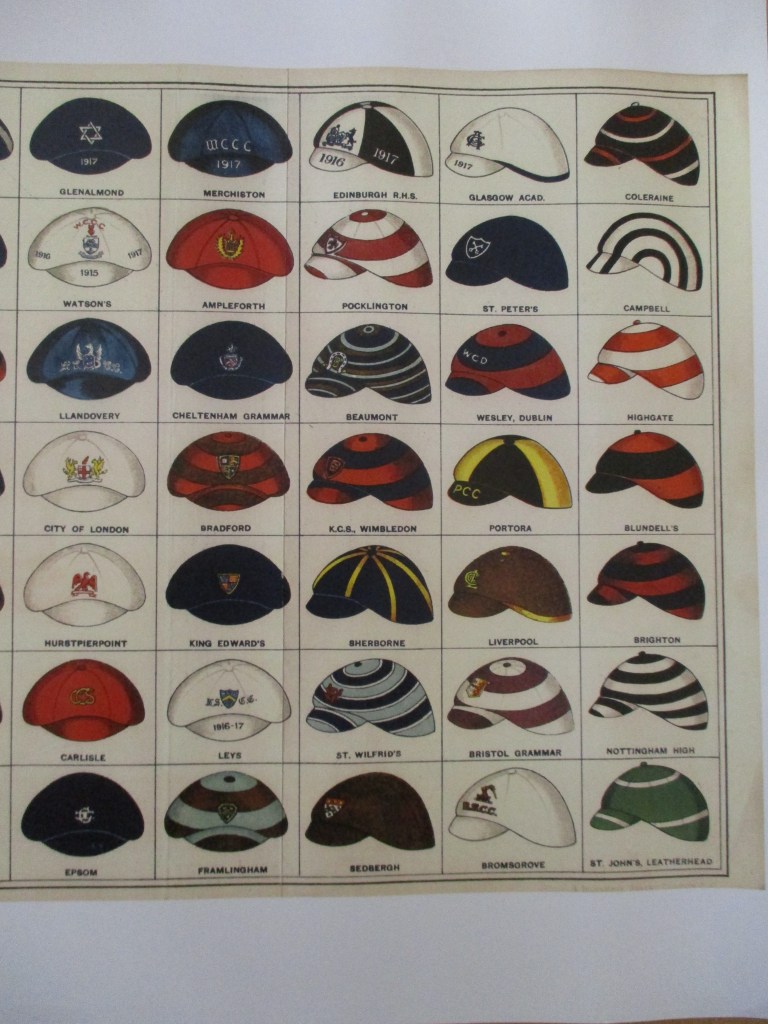
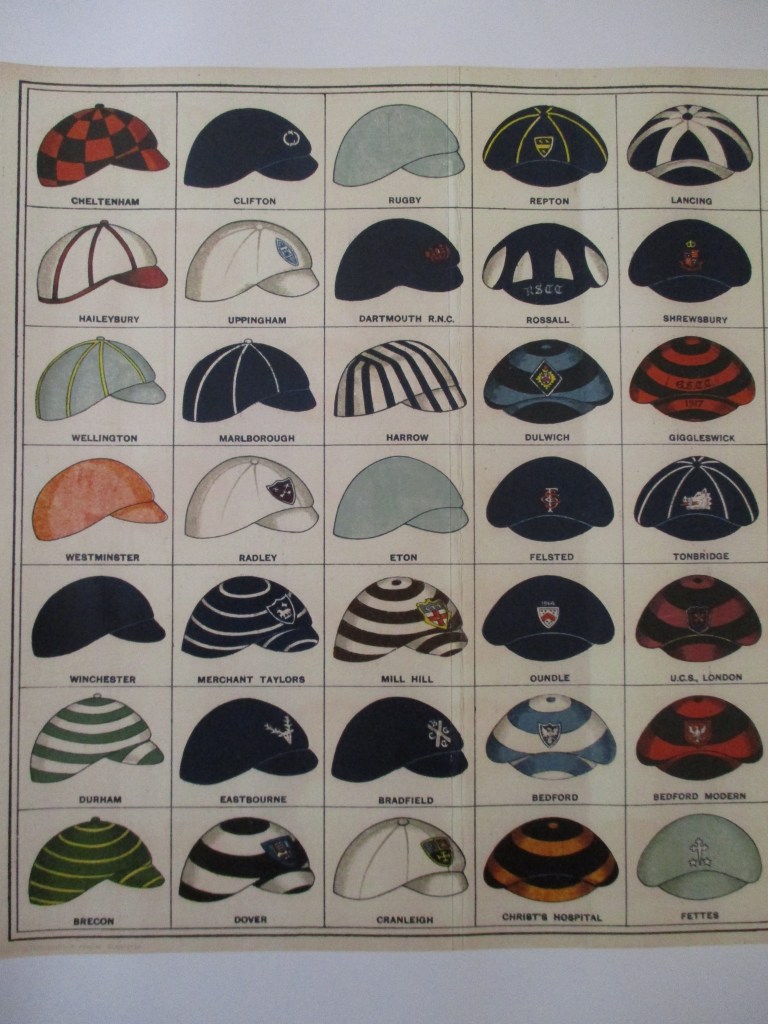
The honours caps system also applies to English county cricket. Most counties do not automatically award caps to players on their first appearance; instead, they have to be “earned” through good performances. Indeed, one can play at the highest domestic level for several years, and have a quite significant career in first-class cricket, without ever winning a cap.
 Honours Caps